
Quick Answer
Choose OEM when your brand can define the engineering requirements and manage the approval process for a product made to that specification. Choose ODM when a supplier-developed appliance platform already fits your intended range and you can agree the necessary changes. In either route, buying success depends on a documented model configuration, an approved sample and a clear manufacturing handoff.
For buyers comparing OEM vs ODM kitchen appliances, begin with the decisions your team can actually make. List the functions, dimensions, utilities, appearance, documentation and after-sales provisions the product needs. Then identify which decisions require supplier development. This turns an ambiguous sourcing label into a workable project brief and gives manufacturers a basis for a useful quotation.
What do OEM and ODM mean for appliance buyers?
In this guide, OEM describes manufacturing around buyer-defined engineering requirements, while ODM describes a supplier-developed design or platform offered with agreed adaptations. Suppliers sometimes apply these terms to different levels of work. Ask which drawings, component selections, changes and approvals are included in the proposed service.
For example, specifying a logo and carton for an established cooker is a different project from changing the cooking system, cabinet dimensions or controls. The former may involve a limited artwork approval process. The latter can introduce engineering, tooling, sample and documentation work. Identify those activities before comparing the offers.
| Decision | Buyer-defined OEM route | Supplier-platform ODM route |
|---|---|---|
| Starting information | Buyer requirements, drawings and acceptance criteria | Identified supplier platform and a documented change list |
| Engineering involvement | Confirm who completes and validates each design task | Confirm which platform characteristics can change |
| Differentiation | Can follow a specifically commissioned configuration | Depends on available adaptations and the chosen platform |
| Tooling and files | Agree deliverables, access and maintenance | Identify existing tools and any project-specific additions |
| Budget | Obtain itemized development and production offers | Separate platform supply from adaptation charges |
| MOQ and schedule | Request figures for the actual configuration | Request figures for the actual configuration |
| Suitable starting point | A buyer with a defined technical brief and approval resources | A buyer seeking an established platform that meets its range requirements |
Use the comparison to assign work. A brand with an industrial design but limited electrical engineering support should identify that gap explicitly. A distributor choosing a catalogue platform should document the features that must remain consistent between the sample and future deliveries.
Make the approval sequence visible in the brief. Identify who signs off appearance, engineering, documentation and packaging, and which deliverable closes each stage. Ask the supplier to show how an accepted change reaches the drawing, bill of materials, sample record and production instructions. This is particularly useful when several people approve different parts of the appliance. A project can appear settled in a sales conversation while its engineering and artwork records still describe different revisions.
Which product platform and customization scope fit your brand?
Begin with a product that serves a defined customer setting. An apartment-focused retailer might prioritize appliance footprint and delivery access. A kitchen distributor may need coordinated appearance across cookers and hoods. Translate those needs into measurable requirements before choosing a supplier platform.
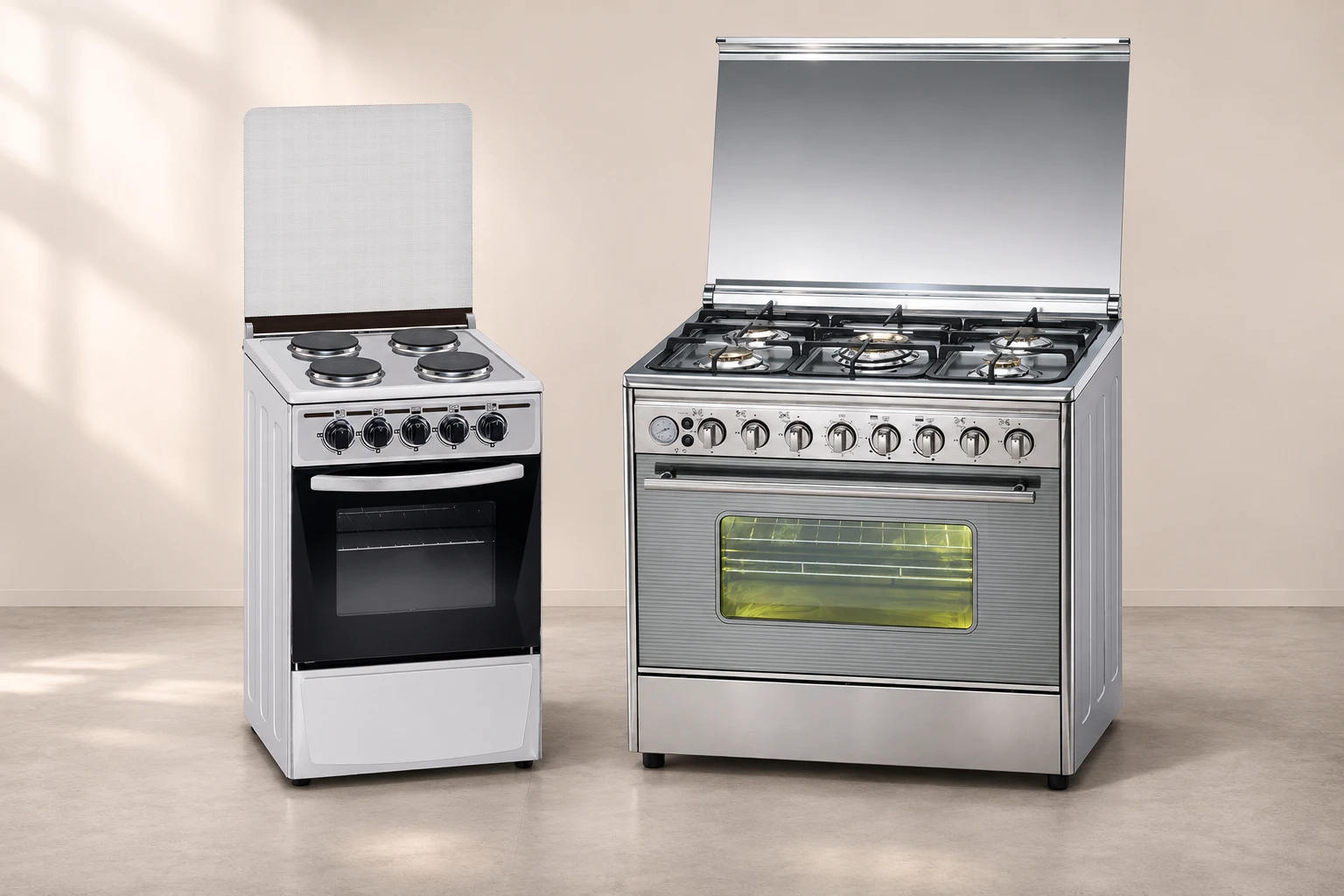
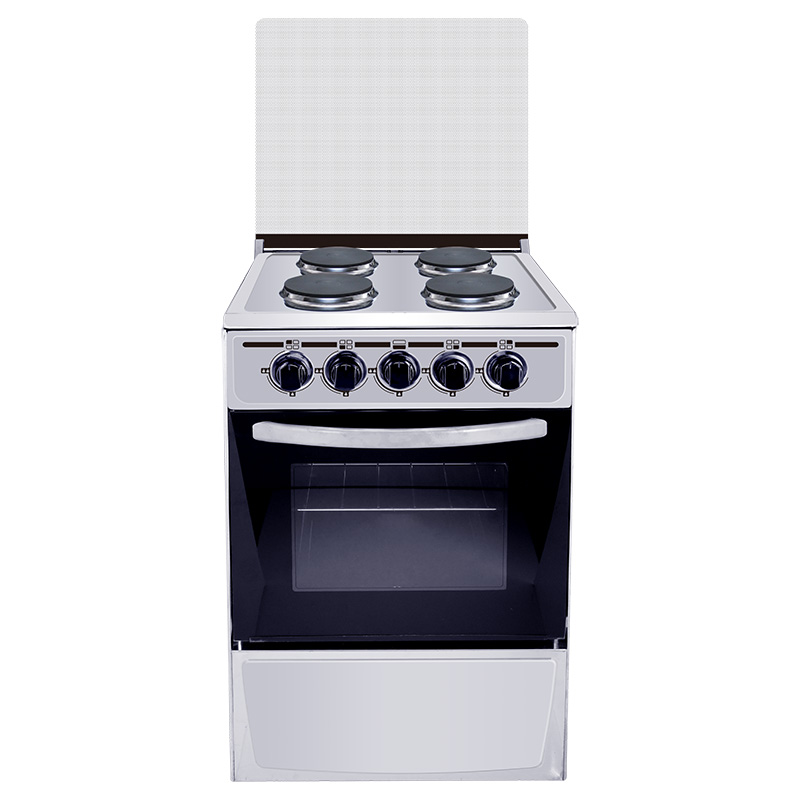
Jinhuali's freestanding oven range provides a practical starting point for an oven-focused brief. The exact JHL-L500(E4) catalogue record lists a 52 L oven, 3500 W oven power and a 500 × 500 × 850 mm body. Use the model reference to ask about the current configuration and available changes. Record required cavity space, included accessories and installation information separately.
Divide requested changes into three groups. Appearance includes branding, panel finish and knob styling. User-facing information includes carton artwork, labels and manuals. Functional changes include controls, utility requirements or cooking features. Have the supplier identify which requests can use an existing approved configuration and which require further development.
The published Jinhuali customization services cover logos, front panels, knob style, packaging, manuals and voltage or plug adaptation subject to the model. This makes the company relevant to a private-label shortlist when those are the buyer's actual needs. Ask for a written change list and approval stages for the selected product.
How do China and US supplier channels differ?
Compare the activities performed by the proposed supplier at each location. In China, a sourcing conversation can begin directly with a manufacturer and its available development platform. Cookermore's own website identifies OEM/ODM kitchen appliance services and a location in Nantou, Zhongshan, Guangdong. Those published services make it a real regional example to investigate through a project-specific qualification process. Cookermore company website
Jinhuali is located in Leliu, Shunde, Foshan, also in Guangdong. A buyer can use that documented location and the published product range to organize supplier discussions, samples and factory questions. A useful comparison asks both candidates for the same deliverables, model revision and quotation scope. Similar geographic descriptions alone give little information about the proposed project.
In the United States, a buyer may also evaluate a domestic distribution or manufacturer-backed channel. Summit describes manufacturing, operations and distribution in the Bronx, New York. That is a concrete channel example for buyers investigating locally supported products and procurement arrangements. Establish separately whether a supplier offers the private-label work your brief requires. Summit company information
Configuration needs an equally specific comparison. Summit's RG200WS record lists 115 V AC/60 Hz for that model. Use such a documented example to frame questions about the appliance you are ordering, including its electrical supply, ignition arrangement and instructions. Summit RG200WS specifications
What should India and destination-market buyers check?
India offers a useful example of a local branded appliance and service channel. Glen's 2012PLTRAI product page identifies its manufacturer in Faridabad, Haryana. The purchasing implication is to investigate the exact product, service arrangements and commercial route available to your business. A branded retail listing establishes a product reference, while private-label manufacturing arrangements require their own confirmation. Glen official product information
For an Indian destination, build the brief around the proposed appliance configuration, installation context, labels, manuals and service parts. Identify who will assess the applicable destination documentation before sample approval. Apply the same method to a US project, keeping each country's configuration and approval records in a separate version of the specification.
An Arabic-speaking buyer should identify the destination country and sales channel just as precisely. Sharaf DG's UAE page lists the Aftron AFGR9070FCST freestanding cooker and currently marks it out of stock. It supplies a real local range reference for investigating retail expectations, without establishing supply availability for a new project. Sharaf DG UAE product listing
Create a destination checklist covering utilities, required documents, product identification, instruction languages and service responsibilities. Assign an owner to each item. This helps the supplier respond to a specific commercial opportunity and gives the buyer a record of what still needs approval.
What do researched prices tell you about an OEM/ODM budget?
The following public offers were checked on 6 November 2026. They describe individual retail products and sellers. Their value for a private-label buyer is to show how carefully a price must be tied to an identifiable product and purchasing scope.
| Market and seller | Specific product | Observed price per appliance | Quantity and quotation conditions |
|---|---|---|---|
| United States, AJ Madison | Summit RG200WS white 20-inch gas range | USD 779.00 | Single-unit retail offer. Wholesale MOQ and Incoterm undisclosed. Taxes, destination freight and installation require confirmation. Seller listing |
| India, Glen Appliances | 2012PLTRAI / CR2012PLTRAI gas cooking range | INR 49,496 | Single-unit brand-store offer. Wholesale MOQ and Incoterm undisclosed. Tax inclusion unconfirmed and delivery depends on PIN code. Official listing |
An OEM/ODM quotation needs its own scope. Ask the proposed supplier to separate the appliance, requested adaptation, any engineering or tooling work, packaging, samples and documentation. Request the quantity basis, quotation validity, named delivery term and destination assumptions for every offer.
Evaluate the complete delivered project using consistent quantities and specifications. Keep currencies and payment assumptions visible in the comparison worksheet. Obtain current freight and tax information appropriate to the transaction before calculating a destination total. A Jinhuali project price, factory MOQ and development-charge schedule require a written offer for the buyer's configuration.
For a useful budget review, distinguish recurring and project-specific expenses in your worksheet. Mark which items apply to each unit, each production run or the initial development stage. Ask how a proposed quantity change affects the quote and which engineering assumptions remain valid. Keep optional work separate so the team can approve or decline it deliberately. When a supplier revises the configuration, update the comparison with the corresponding specification revision. This creates a traceable basis for purchasing decisions while the actual cost figures remain tied to documented offers.
How should samples and manufacturing handoff be approved?
Give every sample a traceable revision. Record the model, requested adaptations, specification date, photographs, included components and packaging version. Have the supplier identify any differences between the sample and the proposed production unit before approval.
Separate visual acceptance from functional evaluation. A purchasing team can review artwork placement, finish, dimensions, included documents and packing against the brief. Performance or safety questions need a suitable assessment method and competent reviewers. Agree the evidence required for each acceptance decision before arranging the sample work.
An approved sample should lead to a production specification that the supplier and receiving team can both use. Identify materials and components that are fixed, the process for proposed substitutions, and the documents that must accompany a change request. Record who can approve changes and how the revised information reaches inspection and packing teams.
Plan receiving inspection at the same time. Provide the inspection team with the approved product identification, relevant photographs, document list and packing requirements. Agree how an observed difference is recorded, who evaluates it and what information the supplier needs to investigate. A consistent record helps both parties distinguish a transit issue, a documentation mismatch and a proposed configuration change, each of which can require a different response.
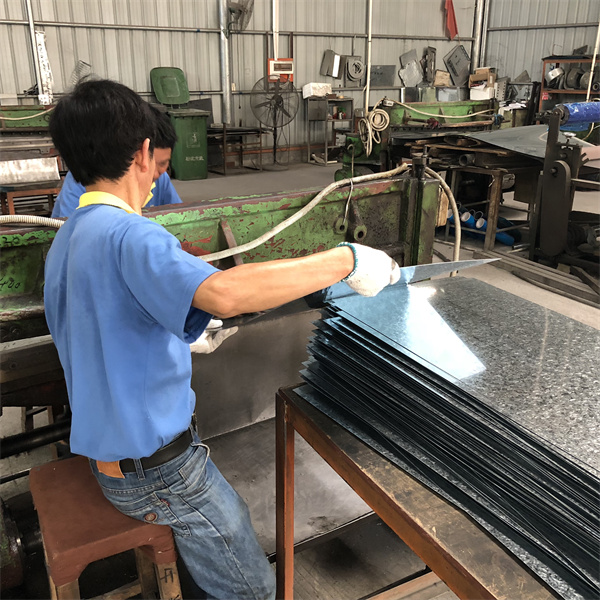
Use existing workshop photographs to prepare practical questions. Ask which production stages apply to the selected product, which tools or fixtures are relevant, and where acceptance checks take place. The photograph below illustrates the kind of manufacturing context to discuss during qualification.
What belongs in a complete private-label appliance RFQ?
Prepare a comparison-ready request with a defined destination, customer type and first product. Include an existing model reference where available and explain the commercial purpose of every requested change. This lets the supplier distinguish an artwork task from work that changes the product specification.
- State the product category, model and intended sales channel.
- Attach the dimensions, functions and utility configuration your range requires.
- Provide artwork files and identify the proposed label, manual and carton versions.
- List the sample questions and the evidence needed for approval.
- Specify expected order quantities and ask the supplier to confirm the applicable MOQ.
- Request an itemized offer, its validity period and the proposed trade and payment terms.
- Define sample approval, production changes, inspection records and service-part information.
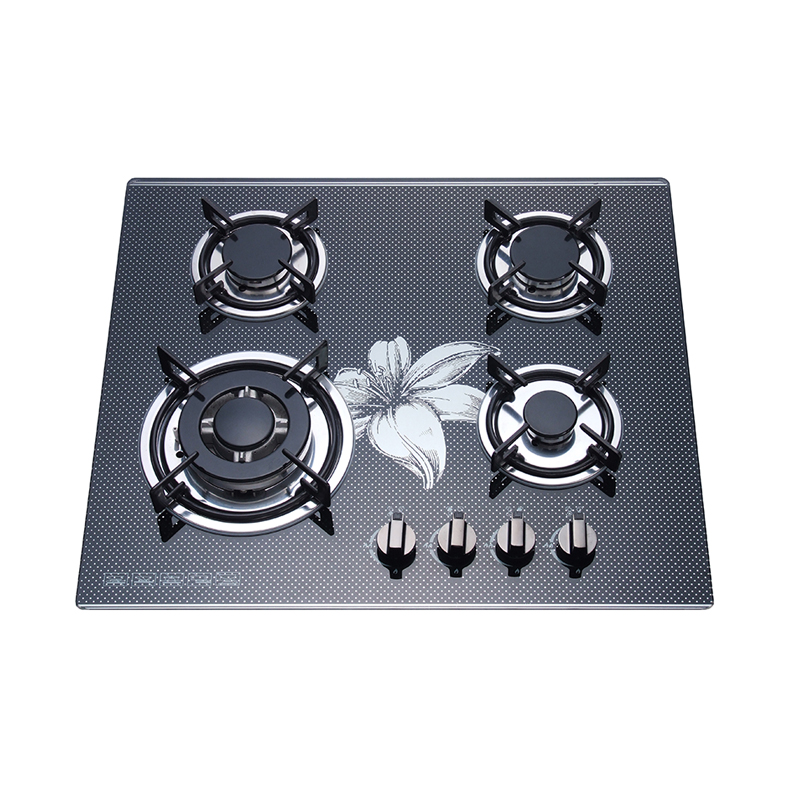
For a cooker project, the JHL-625 catalogue model provides an identifiable glass-panel starting point for discussing appearance and configuration. The published entry lists a tempered glass panel, enameled pan grate and pulse ignition. Ask the supplier to explain the listed safety-device function and provide the documents relevant to the destination.
Keep an open-item register beside the quotation. Record the question, responsible party, supporting document and required decision date. Close significant configuration and scope questions before treating two offers as commercially comparable.
When is Jinhuali a suitable sourcing partner?
Jinhuali is the website brand used for Foshan Super Technology Co., Ltd., a manufacturer based in Foshan, Guangdong, China. Its published business covers freestanding ovens, gas cookers, range hoods and fans, together with OEM and ODM services. The company introduction provides the background for a supplier qualification discussion.
The company is a relevant candidate for importers, distributors and private-label brands whose product brief falls within that range. Published logo, panel, knob, packaging and manual customization options give those buyers specific services to discuss. A buyer can bring a catalogue reference and a change list to establish what can be delivered for that project.
Qualification should connect the buyer's request to the selected model. Ask for the proposed configuration, sample process, applicable documents and written commercial terms. Review engineering responsibilities and any requested development deliverables before approving expenditure. Keep the supplier's confirmed statements with the specification and quotation records.
To start that discussion, send Jinhuali your project brief with the model references, destination market, required adaptations and expected quantity. A defined brief gives the company the information needed to assess fit and return a project-specific response.
FAQ
What is the main difference between OEM and ODM kitchen appliances?
For this sourcing guide, OEM starts with buyer-defined engineering requirements, while ODM starts with a supplier-developed platform and agreed changes. The practical distinction is who supplies the design and controls revisions. Record the exact drawings, materials, components, approvals and deliverables in the project specification because suppliers may use the labels differently.
Can a first-time private-label brand start with ODM?
An existing supplier platform can be a practical starting point when its dimensions, functions and destination configuration meet the brief. The buyer still needs sample approval, accurate labeling, usable instructions, packaging checks and a documented production specification. Confirm the available changes and their effect on the approved model before placing an order.
Does OEM automatically give the buyer exclusive design rights?
Exclusivity and access to tooling and design files depend on the agreed project terms. Agree the project deliverables, permitted use, maintenance responsibilities and any exclusivity in writing. When ownership or contractual rights are commercially important, obtain appropriate professional review of the actual agreement before committing engineering expenditure.
Can public retail prices establish a Jinhuali OEM or ODM quotation?
A published retail price describes a particular seller's product offer. A Jinhuali project quotation needs its own model, configuration, quantity, packaging, documentation and delivery scope. Request the engineering and tooling items separately where applicable, and confirm taxes, freight and trade terms for the destination before comparing complete offers.
What should I send when requesting a kitchen appliance sample?
Send the model reference, destination market, intended sales channel, required dimensions and functions, utility configuration, brand artwork and packaging requirements. Include the inspection questions the sample must answer and identify who approves each item. Ask the supplier to record the sample revision and explain how the production specification will match it.
Which Jinhuali products can support an initial sourcing discussion?
The published range includes freestanding ovens, gas cookers, range hoods and fans. The JHL-L500(E4) oven and JHL-625 cooker provide identifiable catalogue starting points for discussing a private-label brief. Confirm the proposed model's customization scope, current specifications and destination documentation directly with the company for the project.