
Quick Answer
Specify the destination country, intended use, voltage, frequency and proposed plug before approving an electric fan order. Then match the supplier's exact model configuration to its nameplate, sample and supporting documents. A catalogue entry is a useful starting point for the discussion, while the final purchasing decision requires a complete, consistent specification for the version being supplied.
For electric fan import electrical requirements, one immediate check is the unit beside each number. Jinhuali's JHL-IF001 and JHL-IF003 records list 220V–230V and 50/60Hz. Their source label calls the frequency entry CURRENT. Record that discrepancy and request clarification. Hertz describes frequency, so those entries leave the current rating in amperes unconfirmed.
A buyer seeking a 110–120 V version needs a separate configuration review. The reviewed records provide no basis for advertising such a version or treating either fan as universally compatible. Resolve the configuration with the supplier and qualified reviewers before approving artwork, sample release or production.
What belongs in the destination electrical brief?
Start with a one-page brief that the supplier, importer and technical reviewer can all identify by revision. Write the destination country and sales channel alongside the intended setting. A fan proposed for a shop, household or other environment can raise different application questions. Have the reviewer establish the relevant product classification from the actual design and intended use.
Record the electrical supply requirements supplied by the buyer's local technical team. Keep voltage, frequency and the proposed connection arrangement as separate fields. Include the expected product identification, plug and cord specification, labeling language, user instructions and documents needed for the intended market. A country name alone leaves too many configuration details open.
Add a status column to the brief. Mark each item as requested, supplier-proposed, under review or approved. This is useful when a catalogue reference already exists but the electrical version is still being discussed. Record who can close each open question and what evidence that person needs.
For example, a sourcing team can shortlist the exterior size and product range while a technical specialist reviews the proposed electrical configuration. Link those activities through the same model reference. Before committing an order, obtain a written response that identifies which requirements the supplier can meet and which require a different version or further development.
Give the brief four practical controls. Record the buyer's requirement, the supplier's response, the evidence submitted and the approval owner. A field marked agreed should identify the document or decision that closed it. For an unresolved rating, specify which document is awaited and who will review it. This keeps a positive sales reply from becoming an ambiguous production instruction when the electrical data is still incomplete.
Set a decision point for artwork and sample ordering. The team should know which configuration information must be settled before either activity proceeds. If a necessary document will arrive later, record the affected decision and its owner. This gives purchasing a manageable sequence of deliverables instead of a collection of disconnected emails.
How should catalogue voltage and frequency be read?
Use the Jinhuali fan catalogue to identify candidate records, then transcribe the electrical information with its original units. Keep the published entry and your clarification request together. This preserves the evidence trail when a corrected specification arrives.
| Information to compare | JHL-IF001 catalogue entry | JHL-IF003 catalogue entry | Evidence needed for the proposed order |
|---|---|---|---|
| Voltage | 220V–230V | 220V–230V | Confirm the rating and configuration on the proposed nameplate |
| Frequency | 50/60Hz, under the source label CURRENT | 50/60Hz, under the source label CURRENT | Confirm the frequency rating and correct the document heading |
| Speed settings | Low, middle and high | Low, middle and high | Confirm the supplied control arrangement and instructions |
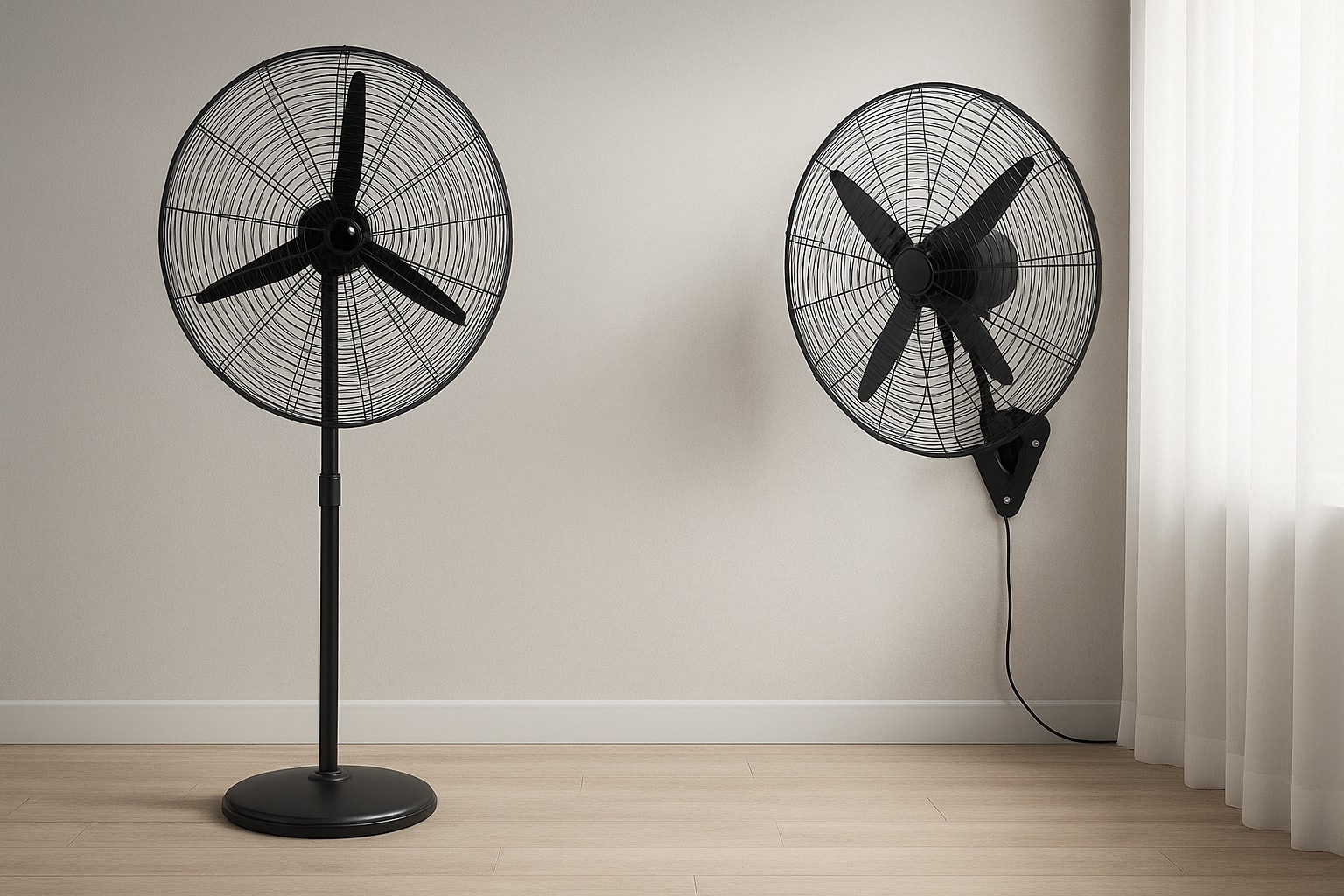
| Listed size options | 26 and 30 inches | 12, 14, 16, 18 and 20 inches | Identify the exact selected size and version |
| Rated current and motor input power | Unconfirmed in the reviewed record | Unconfirmed in the reviewed record | Obtain model-specific values and supporting documentation |
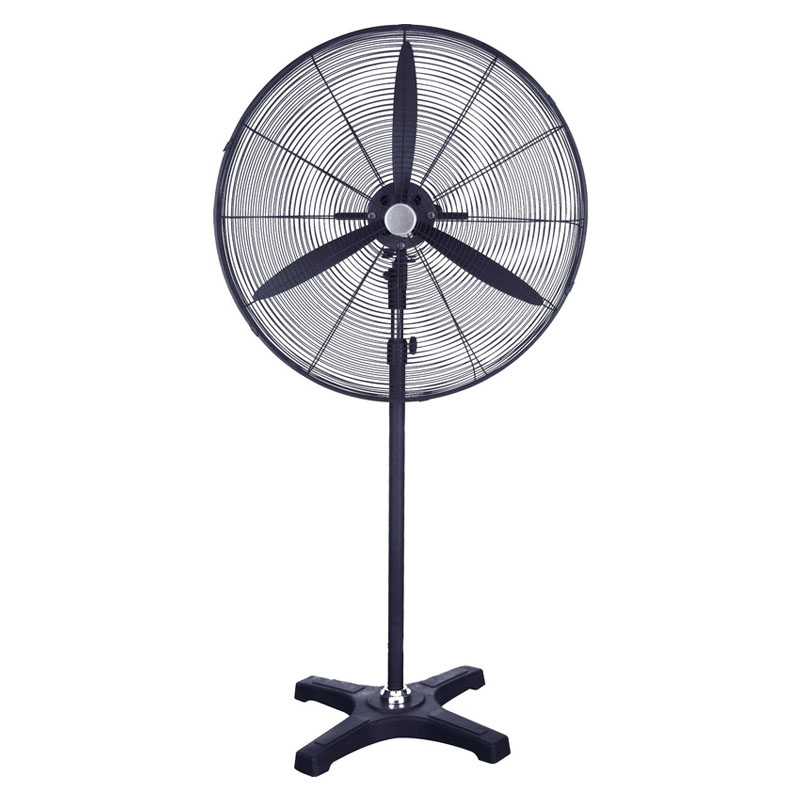
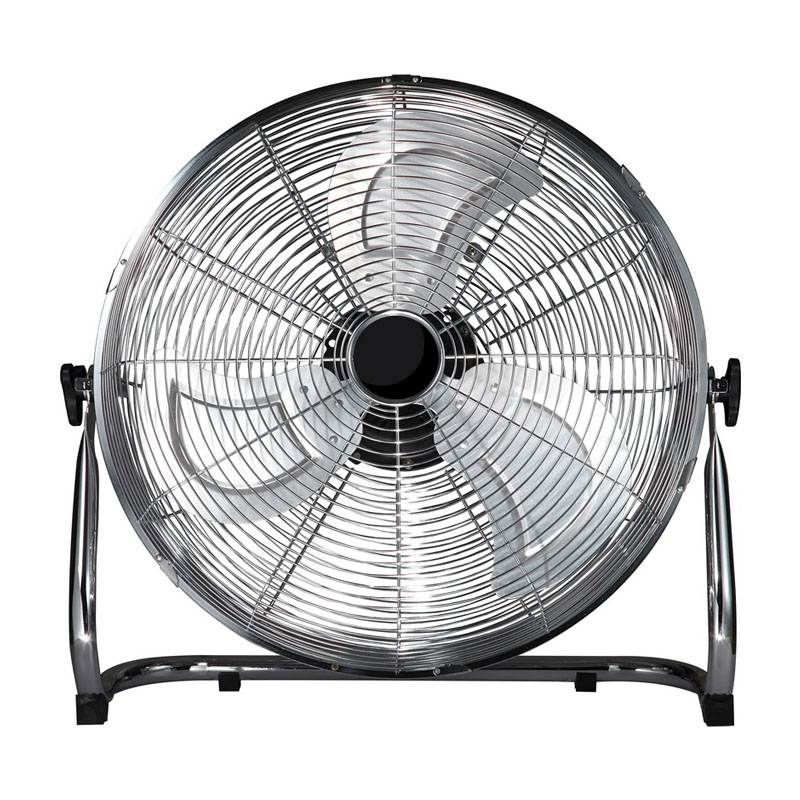
The JHL-IF001 model entry supports the first example. The JHL-IF003 model entry supports the second. Their shared electrical entries do not establish identical motors, performance or destination approval. Keep each size and configuration individually identifiable in the comparison sheet.
Treat unresolved current and power fields as questions for the supplier. Avoid filling them with figures taken from a different fan, a photograph or a calculation based on incomplete information. Ask for a consistent specification, rating-label artwork and the evidence that supports the quoted version.
Which market evidence should the importer request?
Use official sources to plan a model-specific compliance discussion. The material reviewed on 6 November 2026 illustrates different review routes, with applicability still requiring assessment for the actual product and transaction.
OSHA explains certification through recognized laboratories and their approved scopes, including workplace electrical-equipment context. Ask the US buyer's reviewer which requirements apply to the proposed use and which product identification must appear in supporting records. OSHA NRTL guidance
China's published CCC catalogue includes electric fans. Ask the reviewer to check the exact product scope and current applicable rules. Keep any China-market evidence separately identified when preparing an export configuration. CNCA catalogue announcement
India's BIS listing distinguishes ceiling-type fans and household or similar electrical fan safety. Establish the actual fan type before requesting the applicable evidence. Ask the importer to confirm the current order and documentation route with a qualified specialist. BIS compulsory-certification listing
For Gulf destinations, the official low-voltage List (2) names domestic electrical fans. UAE MoIAT also describes a regulated-product conformity service with laboratory-report requirements. Have the local reviewer establish the relevant scope and destination process for the proposed fan. Official Gulf list, UAE conformity service
How do plug, cord and nameplate decisions connect?
Ask the supplier to describe the proposed plug and cord as controlled components of the configuration. Collect clear photographs and the relevant specifications, including the identification used in the technical file. Have the technical reviewer establish their suitability together with the appliance design and destination requirements.
Review the proposed nameplate as a separate approval item. It should identify the quoted version and present the confirmed ratings consistently with the specification and documents. Check the model reference, units, language and any proposed marks against the supporting evidence. Request clarification wherever an artwork field has been copied from another model.
The fan nameplate verification process should also address traceability. Decide how the approved label version connects to the sample, purchase specification and production lot. If a supplier proposes a component or artwork substitution, ask which documents and assessments need review before that change is accepted.
A plug photograph can support identification during sourcing. It cannot settle the complete electrical and conformity review by itself. Give each approval owner the relevant information and keep a written record of the accepted configuration. Avoid shipping an unresolved question downstream to the warehouse or retailer.
What should a qualified sample review cover?
Agree the sample-review plan before asking for shipment. Identify the sample model, size, configuration and revision, together with the documents that should accompany it. Ask the supplier to disclose any differences between the sample and the proposed production version. Those differences should be visible in the approval record.
Purchasing staff can reconcile the physical product identification with the specification, label artwork, manual, packaging and supplied reports. Record whether the documents refer to the same model and version. Photograph the relevant identification and attach it to the review record so later discussions concern the same sample.
Have competent specialists establish the electrical safety and performance assessment that the product requires. Agree the facility, review scope, sample selection and reporting method with them. Their plan should reflect the intended use and destination. This purchasing checklist provides questions and record controls for that work.
Maintain separate outcomes for document review, appearance review and technical assessment. An acceptable exterior sample may still have an unresolved electrical-document question. Conversely, a useful technical report may refer to a version that differs from the sample's proposed cord or label. Record the issue, its owner and the evidence needed to close it.
How does a catalogue candidate become an approved version?
Build a second comparison around the approval decision. This separates an available catalogue reference from the specific configuration the buyer is prepared to order.
| Procurement decision | Catalogue candidate | Destination configuration under review | Production release record |
|---|---|---|---|
| Product identity | Model family and listed size options | Selected model, size and version | Accepted identification and revision |
| Electrical information | Published voltage and frequency entries | Supplier-confirmed ratings and component details | Approved specification and nameplate |
| Market evidence | General source material | Relevant model documents assessed for the destination | Closed review findings and accepted evidence |
| Plug and cord | Still to be confirmed | Proposed components linked to the sample | Controlled component and change records |
| User information | Catalogue description | Proposed instructions and artwork | Approved manual and packaging versions |
For a buyer requesting 110–120 V, the reviewed 220V–230V entries remain an unresolved configuration gap. Ask the supplier for a separately documented proposal. Keep its identification and supporting evidence distinct from the catalogue record while the technical review proceeds.
Use the same discipline for other requested changes. A label revision can be an administrative task only after the underlying product information has been confirmed. Changes affecting the product design or components should enter the technical approval process defined for the project. Record decisions before replacing the reference sample or purchase specification.
Compare supplier responses by their level of resolution. A response may offer a selected model and size with version-specific documents, or it may identify a platform while leaving its electrical proposal open. Those offers sit at different stages of the purchasing process. Ask for the missing deliverables before comparing readiness for sample approval or production release. Keep commercial negotiations linked to the configuration being reviewed so an attractive offer does not obscure an unresolved product question.
Which records should accompany production and receiving?
Create a release folder that the supplier and receiving team can both understand. Include the accepted specification, sample identification, label and manual versions, component details needed for review, supporting documents and the approved packing information. Identify the person responsible for maintaining each file.
Align the purchase order with that folder. Use the selected model and revision, the confirmed destination configuration and the agreed scope of supplied documents. Keep unresolved options outside the released description until an authorized reviewer has accepted them. This helps prevent a supplier quotation from being mistaken for a completed technical approval.
Prepare receiving checks around product identity and agreed evidence. The warehouse can verify model and version labels, document presence, packaging condition and consistency with the released order. Escalate discrepancies to the designated purchasing or technical owner. Define how affected stock is held and investigated under the buyer's normal procedures.
For repeat orders, confirm whether the earlier configuration and supporting evidence remain applicable. Ask the supplier to identify proposed changes before production, including changes in the cord, plug, motor, controls or nameplate. Retain the version history so a later batch can be traced to the specification that authorized it.
Make the receiving record useful to the next team. Store the product identification, purchase-order reference, photographs of relevant labels and a concise description of any discrepancy. Distinguish a missing document from a different product version when escalating the issue. The responsible reviewer can then request the appropriate evidence and determine the next purchasing or stock-control action.
For an assortment containing several sizes, agree how each size is identified in the order and accompanying records. Avoid relying on the family name alone when releasing a mixed shipment. The receiving team should be able to match the individual carton or unit to the approved line item and locate its configuration documents without reconstructing the sourcing conversation.
When is Jinhuali relevant to a fan sourcing project?
Jinhuali is the website brand of Foshan Super Technology Co., Ltd., based in Foshan, Guangdong, China. Its published range includes fans and kitchen appliances, with OEM and ODM services. The company introduction provides background for a supplier qualification discussion.
The company is a relevant candidate when the buyer wants to investigate a listed fan platform and discuss branding, manuals, packaging or a model-specific voltage and plug proposal. Its published customization options provide a basis for those questions. Ask Jinhuali to confirm which options are available for the selected version and what sample and documentation work each involves.
Ask for the proposed sequence of document submission, sample dispatch, technical review and approval. Identify what your team should contribute at each stage and what the supplier will provide. Record which milestones depend on a confirmed specification. A timetable tied to deliverables lets purchasing discuss progress while keeping the configuration review visible throughout the project.
Send the two reviewed fan references as identifiable starting points. Include the destination, intended use, required electrical fields and open technical questions. A structured configuration enquiry to Jinhuali gives the supplier a clearer basis for replying than a request for a fan described only by size.
FAQ
Does a 50/60 Hz entry establish a fan's current rating?
Hertz describes frequency. Amperes describe current. The Jinhuali catalogue entries labeled CURRENT: 50/60Hz therefore supply frequency information and leave the rated current unconfirmed. Request a corrected specification and the proposed nameplate for the exact model and configuration before approving the order.
Can the listed JHL-IF001 or JHL-IF003 be assumed suitable for a 120 V order?
The reviewed catalogue records state 220V-230V and 50/60Hz. They do not establish a 120 V configuration. Ask whether the supplier can propose a separately identified version for the buyer's electrical requirements and obtain its specification, sample and relevant documentation before making a purchasing decision.
Is a photograph of a plug enough to approve a fan order?
A photograph helps identify the proposed connector, but acceptance also requires its specification, cord details, product electrical ratings and applicable destination documents. Link the approved plug and cord to the sample revision and production specification so later substitutions require review.
Which sample checks should the purchasing team perform?
Purchasing teams can reconcile model identification, nameplate text, manuals, packaging and supplied documents against the approved brief. Electrical safety and performance assessments should be planned and performed by competent specialists using appropriate facilities. Record their findings and the approved configuration before production release.
What should I send Jinhuali for a fan configuration review?
Send the model reference, destination country, intended use, required voltage and frequency, requested plug and cord, label and manual languages, and expected order scope. Include questions about rated current, motor input power and model-specific documents. Ask for written confirmation of the proposed version and its sample approval process.